Behind the Lens: A Sneak Peek into the World of a Food Photographer.
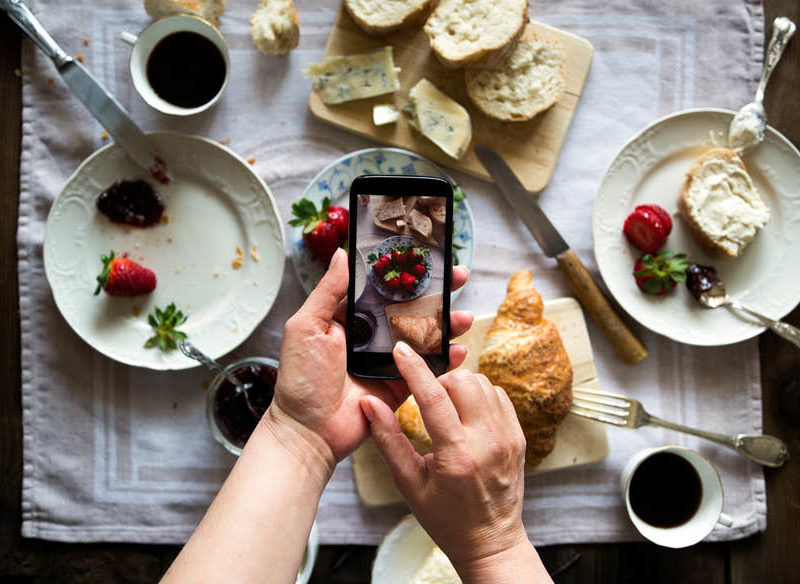
We eat with our eyes first, and in today's world, Instagram feeds and Pinterest boards are often the first places we look for inspiration when it comes to food.
Food photographers are the masterminds behind these images, capturing the perfect shot that makes us drool and dream of delicious food.
But what goes on behind the lens? How do food photographers create such beautiful and tempting images?
In this article, we'll take a peek into the world of a food photographer and discover the secrets of this deliciously creative profession.
From the equipment used to the creative process, we'll explore everything you need to know to capture the perfect shot. So, come with us on a journey behind the lens and discover the art of food photography!
1. The role of a food photographer
The role of a food photographer is to create visually appealing images of food that can be used in various food-related media. dubai food photographer This includes cookbooks, magazines, websites, and even social media platforms.
A food photographer must have an eye for detail and an understanding of lighting and composition. They must also be able to work under pressure, as food is often only fresh and visually appealing for a short period of time.
In addition to taking photos, a food photographer also needs to be proficient in photo editing software such as Photoshop. This allows them to enhance the images they capture and create a final product that is truly stunning.
Additionally, food photographers must be able to work closely with chefs and food stylists to ensure that the food looks as good as it tastes. They must also be able to understand the message that the food is meant to convey and create images that accurately reflect that message.
Overall, a food photographer plays a critical role in bringing food to life and making it look as delicious as it tastes.
2. Equipment used in food photography
Food photography is all about capturing the essence of the dish and making it look as delicious as possible. To achieve this, a food photographer needs to have the right equipment.
The most important piece of equipment for a food photographer is the camera. A good DSLR camera is a must-have for any food photographer. It allows for more manual control and produces higher-quality images.
It's also important to have a variety of lenses, including a macro lens for close-up shots of food. Lighting is another crucial aspect of food photography. A photographer needs to have a variety of lighting options, including natural light and artificial light.
A light diffuser can also be used to soften the light and reduce harsh shadows. Tripods are also necessary for food photography, as they provide stability for the camera and allow for more controlled shots.
Additionally, props such as plates, bowls, and utensils can bring life to a food photograph and make it more interesting. In conclusion, a food photographer needs to have the right equipment to capture the perfect shot of the dish and make it look as tempting as possible.
3. Creative process in food photography
Food photography is an art form that requires a lot of creativity and planning. The first step in the creative process of food photography is to decide on the concept of the shoot. This can involve choosing a particular style, color palette, or theme for the shoot.
Once the concept has been decided upon, the photographer will then start to plan the shoot. This may involve selecting the food, props, and backgrounds that will be used in the shoot. Lighting is also an essential aspect of the creative process in food photography.
Natural light is often the best light source for food photography. However, sometimes artificial lighting is necessary to achieve the desired effect. The photographer may use a variety of lighting techniques, such as diffused light or spotlights, to highlight certain elements of the food.
Styling is another crucial aspect of food photography. The food needs to look as appealing as possible, so the photographer may use various techniques to make it look its best. This may involve using food styling tools such as tweezers, brushes, and sprays to position the food in an attractive way.
Once everything is set up, the photographer will start taking photos. They may need to take dozens or even hundreds of shots to get the perfect shot. They may adjust the camera settings, angle, and composition to capture the food in the best way possible.
In conclusion, the creative process of food photography involves a lot of planning, styling, and attention to detail. It requires a lot of creativity and skill to produce beautiful pictures that make the food look as delicious as possible.
4. Challenges and tips for aspiring food photographers.
Food photography is a specialized field that requires a lot of skill and patience. There are many challenges that come with this line of work. One of the biggest challenges is making the food look as appetizing as possible.
It is important to make sure that the food is presented in a way that is visually appealing and that the colors are bright and vibrant. Another challenge is lighting. The lighting needs to be just right in order to capture the food in the best possible way.
This can be a challenge, especially if you are working in a dimly lit restaurant or kitchen. If you are an aspiring food photographer, there are several tips that can help you to overcome these challenges. First, it is important to invest in good quality equipment.
A high-quality camera and a good lens will make a big difference in the quality of your photos. Next, it is important to practice. The more you practice, the better you will become. Try taking photos of different types of food in different settings to get a feel for what works best.
Another important tip is to experiment with different angles and compositions. Don't be afraid to get creative and try out different things. This will help you to find your unique style and stand out from other food photographers.
Finally, it is important to build a network in the food industry. This means making connections with chefs, restaurant owners, and other food photographers. These connections can help you to find new opportunities and grow your business.
With the right skills and mindset, aspiring food photographers can overcome the challenges and succeed in this exciting field.


Comments
Post a Comment